
Content writing is the process of creating written material for a business, usually to inform, entertain, or persuade an audience. It covers things like blog posts, website pages, social media captions, and email newsletters. The goal isn't just to fill up space on a page. It's to give readers something useful while also helping a business get found online and build trust with its audience.
Here's the thing: you're probably already doing some form of content writing, even if you don't call it that. Every time you post an update about your shop, write a product description, or send a newsletter to your customers, you're creating content. The problem is most small business owners do this without a plan, and that means missed chances to bring in new customers.
This guide walks you through what content writing actually looks like, why it matters for a business like yours, and how you can start doing it well without hiring a huge team. By the end, you'll have a clear idea of where to begin and what to focus on first.
What does a content writer actually do?
A content writer's job is to turn ideas into words that people actually want to read. That could mean writing a blog post that answers a common customer question, or putting together a product page that explains why your item is worth buying. Good content writers research their topic first, then write in a way that feels natural and easy to follow. They also think about search engines, following SEO best practices, since a lot of content is meant to help people find a business through Google.
It's not just about writing well, though that helps a lot. A content writer also thinks about structure, like using headings and short paragraphs so readers don't get overwhelmed. They consider what the reader wants to know and answer that as clearly as possible. The best content writers understand both the topic and the audience, which is why someone who knows your industry can make a real difference.
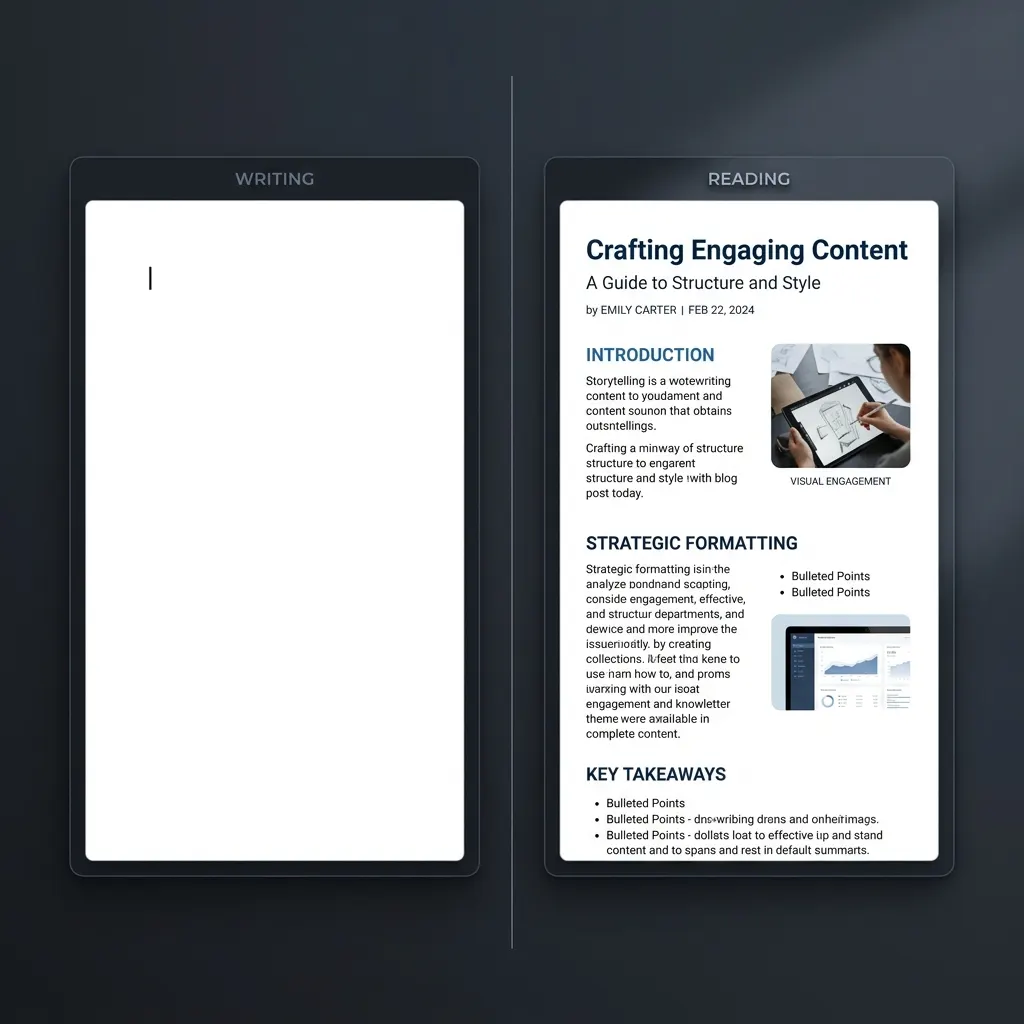
Types of content writing every business owner should know
Content writing isn't just one thing. It covers several formats, and each one serves a different purpose for your business.
- Blog posts
- Longer articles that answer questions, share tips, or explain topics related to your business.
- Website copy
- The words on your homepage, about page, and service pages that explain what you offer.
- Product descriptions
- Short, persuasive text that helps customers understand what they're buying.
- Social media content
- Captions, posts, and short updates shared across platforms like Instagram or Facebook.
- Email newsletters
- Regular updates sent to your customer list to keep them engaged and informed.
- Case studies and testimonials
- Written stories that show how your product or service helped a real customer.
Each of these plays a different role, but they all work toward the same goal. They help your business connect with people and stay visible where your customers already spend time.
Why content writing matters for small businesses
You don't need a massive budget to compete with bigger companies, but you do need visibility. That's where content marketing comes in. When you publish helpful, well-written content, search engines start to notice, and that means more people find your business without you having to pay for every single click.
There's also a trust factor here. Customers are more likely to buy from a business that seems knowledgeable and helpful rather than one that just sells without explaining anything. A well-written blog post or FAQ page can answer a customer's doubts before they even reach out. That's why content writing isn't just a marketing extra. It's often the thing that turns a curious visitor into a paying customer.
Content writing vs copywriting: what's the difference?
People mix these up all the time. Content writing informs and educates, usually over a longer format like a blog or guide, and it builds trust slowly while helping you show up in search. Copywriting persuades, usually in a shorter and punchier format like an ad or a sales page, and it's built to drive a quick decision.
Both matter, and most small businesses end up needing a mix depending on what they're making. A blog post that explains a problem is content writing. The button that says "Book your free call" is copywriting. They work best together.
| Content writing | Copywriting | |
|---|---|---|
| Job | Explain and build trust | Get a decision now |
| Typical length | 800 to 2,000 words | A line to a page |
| Where it lives | Blog, guides, FAQ, help pages | Ads, landing pages, buttons, emails |
| Reader's state | Researching, not ready | Ready, needs a nudge |
| How you measure it | Traffic, rankings, time on page | Clicks, sign-ups, sales |
| How fast it pays | Months, then keeps paying | Same day, stops when you stop |
The row that matters most is the last one. Content writing is slow and keeps working. Copywriting is fast and stops the moment you stop. Businesses that only do the second one spend forever buying attention they never get to keep, and businesses that only do the first one build an audience that never gets asked to buy anything.
Which one you need first
If you're already getting enquiries and losing them on the website, you need copywriting. The traffic exists, the words just aren't doing their job. If nobody is finding you at all, copywriting has nothing to work with and content writing is the honest answer, though you'll wait a few months to feel it. Most small businesses I talk to are in the second group and want the first group's timeline, and that gap is worth being upfront about before anyone spends money.
How to get started with content writing for your business
You don't need to publish every day to see results. Start small by picking one or two content types that make sense for your business, like a blog or a set of product descriptions. Think about the questions your customers ask you most often, since those make great starting points for topics. Write in plain, simple language, the same way you'd explain something to a customer standing in front of you.
Consistency matters more than perfection. A short blog post published every couple of weeks will do more for your business than one long article that never gets finished. If writing isn't your strength, you can hire a freelance content writer or use tools to help you get started, then refine things as you go. The key is to just begin, even if the first few pieces aren't perfect.

Tips for writing content that actually works
- Know your audience
- Write for the specific people who buy from you, not everyone at once.
- Keep sentences short
- Long, complicated sentences make readers lose interest fast.
- Use real examples
- Specific stories and numbers feel more trustworthy than vague claims.
- Add a clear next step
- Every piece of content should tell the reader what to do next.
- Edit before publishing
- A quick read-through catches mistakes that hurt your credibility.
- Stay consistent
- Regular content builds trust faster than occasional bursts of activity.
Where to start
Content writing is simply the practice of creating helpful, well-written material that connects with your audience and supports your business goals. From blog posts to product pages, it plays a real role in how customers find you, trust you, and eventually buy from you. The types and tips here give you a solid starting point, whether you write it yourself or bring in help.
The best move now is to pick one content type and just start writing, even if it's not perfect at first. Over time you'll get a feel for what your audience responds to, and your content will improve on its own. Small, consistent steps tend to add up to real results. If you'd like support getting started, take a look at my SEO services or read more about growing your business with strategic SEO.
Frequently asked questions
Not always. If you enjoy writing and understand your customers well, you can start on your own and bring in help later as your business grows.